Understanding Ovens and Hobs: A Comprehensive Guide
Cooking has actually come a long method since the days of open flames and primary cooking techniques. Today, ovens and hobs are at the heart of modern cooking areas, providing adaptability, performance, and a selection of cooking choices. Whether Fan Oven Sales are an amateur cook or an experienced chef, understanding the distinctions, functions, and functions of these devices is essential for taking full advantage of cooking potential. This article breaks down the different kinds of ovens and hobs offered on the market, their performances, and how to pick the best devices for your kitchen.
What is an Oven?
An oven is an enclosed space developed for heating and cooking food, providing numerous methods such as baking, roasting, and broiling. Hobs Sale can be found in various types, each serving unique cooking preferences and requirements.
Kinds of Ovens
Traditional Ovens:
- Use gas or electrical power for heating.
- Normally include a heating component at the top and bottom.
- Suitable for standard baking jobs.
Convection Ovens:
- Use a fan to circulate hot air, promoting even cooking.
- Ideal for baking, roasting, and reheating.
- Decreases cooking time and enhances taste.
Steam Ovens:
- Utilize steam to cook food while maintaining moisture and nutrients.
- Exceptional for health-conscious cooking, such as veggies and fish.
Microwave Ovens:
- Use electromagnetic radiation to heat food rapidly.
- Best for reheating leftovers or cooking simple meals.
Wall Ovens:
- Built into the wall, conserving space in the kitchen.
- Offered in various setups, including single or double ovens.
Key Features of Ovens
- Temperature level Control: Precision heating for different baking and cooking procedures.
- Self-Cleaning Options: Some designs have self-cleaning modes that use high temperatures to burn off food residue.
- Smart Features: Wi-Fi connection allows remote pre-heating, monitoring, and dish management by means of smart devices.
What is a Hob?
A hob is a cooking surface area, frequently described as a range or cooktop, where pots and pans is put for heating. Hobs are available in various products, sizes, and heating approaches, accommodating diverse cooking requirements.
Kinds of Hobs
Gas Hobs:
- Utilize gas burners for direct flame cooking.
- Offer precise temperature level control and are preferred by lots of professional chefs.
Electric Hobs:
- Use electric coils or smooth tops.
- Some designs are equipped with induction innovation, supplying rapid heating through electromagnetic energy.
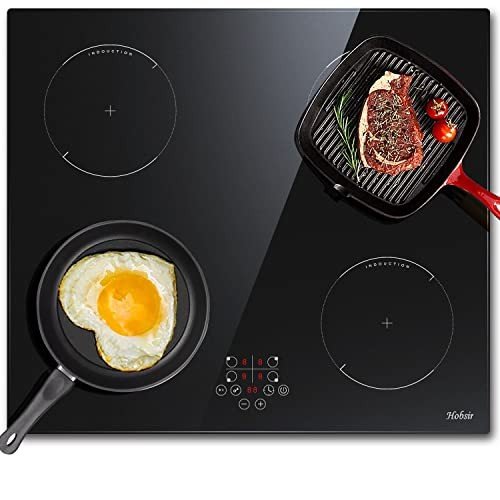
Induction Hobs:
- Cookware should be made of magnetic products.
- Extremely energy-efficient, supplying quick heat and reducing burn risks.
Ceramic Hobs:
- Feature a glass-ceramic surface area with heating elements below.
- Easy to tidy but can be less energy-efficient than induction hobs.
Secret Features of Hobs
- Burner Configuration: Varies from 2 to 6 burners, depending on model and size.
- Power Levels: Multiple settings permit higher accuracy in cooking.
- Safety Features: Options like flame failure gadgets and kid lock settings guarantee safety during cooking.
Selecting the Right Oven and Hob
Selecting the right oven and hob for your kitchen includes careful consideration of different factors. Below is a list of concerns to direct your selection process:
- What is your main cooking design?
- Just how much kitchen area do you have?
- What is your budget?
- Do you prefer gas or electric home appliances?
- Are extra features like wise connectivity crucial to you?
Table Summary of Key Differences Between Ovens and Hobs
| Feature | Oven | Hob |
|---|---|---|
| Functions | Baking, roasting, broiling | Boiling, frying, sautéing |
| Cooking Method | Enclosed heat | Direct cooking surface area |
| Temperature level Control | Adjustable settings | Range settings |
| Types | Electric, gas, convection, microwave | Gas, electric, induction, ceramic |
| Cooking Capacity | Larger (can cook numerous meals) | Smaller (concentrate on immediate cooking) |
| Cleaning | Self-cleaning options readily available | Typically manual cleansing required |
Upkeep Tips for Ovens and Hobs
Proper care and maintenance of your cooking appliances extend their life expectancy and efficiency. Here are necessary maintenance ideas:
Regular Cleaning:
- Clean the oven interior after each use to avoid residue buildup.
- Clean down hob surface areas after preparing to prevent spots.
Inspect Seals:
- Ensure the oven door seals are intact to keep energy efficiency.
- Change worn-out gaskets and seals as needed.
Check Burners and Elements:
- For gas hobs, check for obstructions in burners.
- For electric hobs, inspect coils and surface areas for signs of wear.
Frequently asked questions
Can I use any cookware on induction hobs?
- No, induction hobs only work with magnetic cookware, such as cast iron or stainless steel.
What is the most energy-efficient cooking appliance?
- Induction hobs are normally the most energy-efficient choice, using less energy than traditional gas or electric models.
How frequently should I clean my oven?
- It's a good idea to clean your oven every few months, or more frequently if you use it often.
Can I install an oven and hob independently?
- Yes, both appliances can be set up individually based on kitchen style and space.
What should I think about when setting up a gas hob?
- Guarantee correct ventilation and follow local safety codes. It is a good idea to have an expert set up gas appliances.
Understanding the functions, types, and upkeep of ovens and hobs can significantly improve your cooking experiences. Selecting the right devices customized to your cooking style, kitchen space, and security needs can make all the difference in accomplishing cooking success. By being notified about your choices, you can enjoy a more effective and satisfying cooking journey, bringing delicious meals to your table with ease.