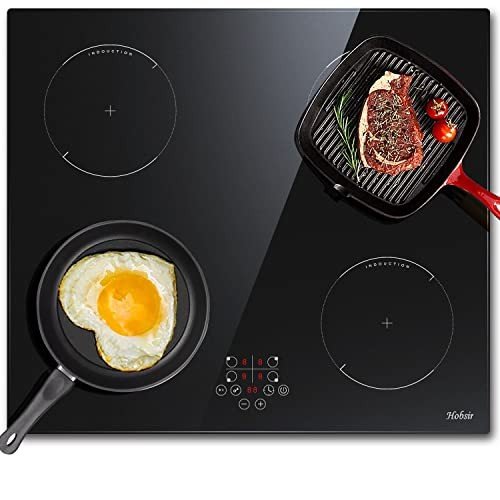
The Growing Market of Hobs Sales: Trends, Innovations, and Buying Guide
In the world of kitchen devices, couple of items play as essential a function as hobs. These cooking devices not just serve as the primary source of heat for meal preparation but also play a significant role in the looks and functionality of modern cooking areas. As customer preferences progress, so too does the marketplace for hobs, which has actually seen impressive growth and development in the last few years. This post delves into the trends shaping hob sales, the innovations driving item advancement, and a guide for possible buyers navigating this lively market.
Understanding Hobs: Types and Features
Hobs are flat cooking surfaces that include one or more burners used for cooking. They come in various types, each with its own features and advantages. Here are the main types of hobs readily available in the market today:
Gas Hobs:
- Use gas as fuel, offering immediate heat and accurate temperature control.
- Frequently preferred by expert chefs for their responsiveness.
Electric Hobs:
- Include traditional coil burners and smooth ceramic or glass surfaces.
- Offers constant heat and is easier to clean than gas hobs.
Induction Hobs:
- Use electro-magnetic energy to heat pots and pans straight.
- More energy-efficient and safer, as they remain cool to the touch.
Hybrid Hobs:
- Combine both gas and induction features.
- Enable users to switch between gas and induction cooking as required.
| Type of Hob | Advantages | Drawbacks |
|---|---|---|
| Gas | Instant heat, accurate control | Setup requires gas line |
| Electric | Constant heating, easy to tidy | Slower heating process |
| Induction | Energy-efficient, more secure cooking | Needs compatible cookware |
| Hybrid | Versatile, adaptable to user preferences | Generally more pricey |
Current Trends in Hobs Sales
As the cooking landscape continues to develop, a number of crucial trends are affecting hob sales:
1. Smart Technology Integration
Smart hobs geared up with Wi-Fi or Bluetooth connectivity are becoming increasingly popular. These devices can be managed through mobile phones or tablets, providing features such as remote monitoring, accurate temperature level settings, and integration with other clever gadgets in the kitchen.
2. Sustainability Concerns
With a growing awareness of ecological issues, numerous customers are now looking for energy-efficient appliances. Induction hobs, for instance, use considerably less energy than their gas equivalents and permit faster cooking times. This pattern has actually stimulated makers to develop more environmentally friendly items.
3. Personalized Designs
Customers progressively look for home appliances that match their kitchen decor and individual style. As a response, producers are providing hobs in a range of finishes and setups, consisting of modular designs that enable a customized cooking experience.
4. Focus on Safety Features
Security is a vital issue for numerous families, especially those with children. Many modern hobs are geared up with functions like automated shut-off, kid locks, and heat indicators, making them more secure for everyday use.
5. Multi-functionality
The need for multi-functional devices has actually resulted in the advancement of hobs that can accommodate numerous cooking techniques, such as barbecuing, steaming, and boiling. This flexibility interest home cooks who wish to optimize their kitchen space.
The Impact of Online Sales on Hob Purchases
The digital market has revolutionized how customers purchase hobs. Online retail sites and e-commerce platforms like Amazon and specialized home device websites have made it easier for customers to research and compare products.
Key Benefits of Online Shopping for Hobs:
- Wider Selection: Online platforms offer a wider range of products than a lot of physical stores.
- Customer Reviews: Potential purchasers can check out reviews and ratings from other consumers, aiding in decision-making.
- Competitive Pricing: Online shopping typically enables users to find much better offers and discount rates.
- Convenience: Consumers can shop from the convenience of their own homes and have actually products delivered straight to their doorstep.
Buying Guide: Choosing the Right Hob
With a lot of alternatives readily available, selecting the best hob can be intimidating. Here are some crucial considerations to remember:
1. Cooking Style:
- Assess cooking routines and choices. For example, those who choose quick cooking might lean towards induction hobs, whereas traditionalists may favor gas.
2. Kitchen Space:
- Evaluate the available kitchen area. Is there enough room for a larger hob, or would a compact design be more suitable?
3. Setup Type:
- Determine if your kitchen has the needed energies for gas or if a plug-in electric model is more proper.
4. Security Features:
- Look for hobs with sophisticated security features, especially if there are children in the home.
5. Budget:
- Establish a spending plan, remembering that while some hobs may have a greater initial cost, they might offer much better energy efficiency and longevity, resulting in long-term cost savings.
As the kitchen home appliance market continues to grow and develop, the demand for hobs is most likely to increase, driven by developments and changing customer preferences. Comprehending Ovens & Hobs , patterns, and functions is essential for anybody looking to invest in a hob. By thinking about individual cooking styles, kitchen area, and security functions, customers can make educated decisions that fit their needs and improve their cooking experience.
Often Asked Questions
1. What are the main differences between gas and induction hobs?Gas hobs provide instant heat and temperature control, while induction hobs are more energy-efficient and cook much faster as they heat up the pots and pans straight.
2. Are induction hobs safe for homes with kids?Yes, induction hobs often come with integrated security functions like automated shut-off and cool surfaces that make them a safer choice for homes with children.
3. Can I utilize any pots and pans on an induction hob?Induction hobs require ferrous (magnetic) pots and pans. Constantly examine if your pots and pans work before buying an induction cooking system.
4. Are smart hobs worth the investment?Smart hobs can be a great financial investment for tech-savvy users who value push-button control performances and energy management choices.
5. How do I keep my hob?Maintenance differs by type; however, generally, it involves regular cleaning, looking for damage, and ensuring that burners or elements are working correctly.
By considering these insights, consumers can navigate the varied world of hobs and pick the right cooking appliance for their homes.